
Votre panier est vide
Besoin d'inspiration ?
Rendez-vous dans le programme en ligne du GrandPalais
Article -
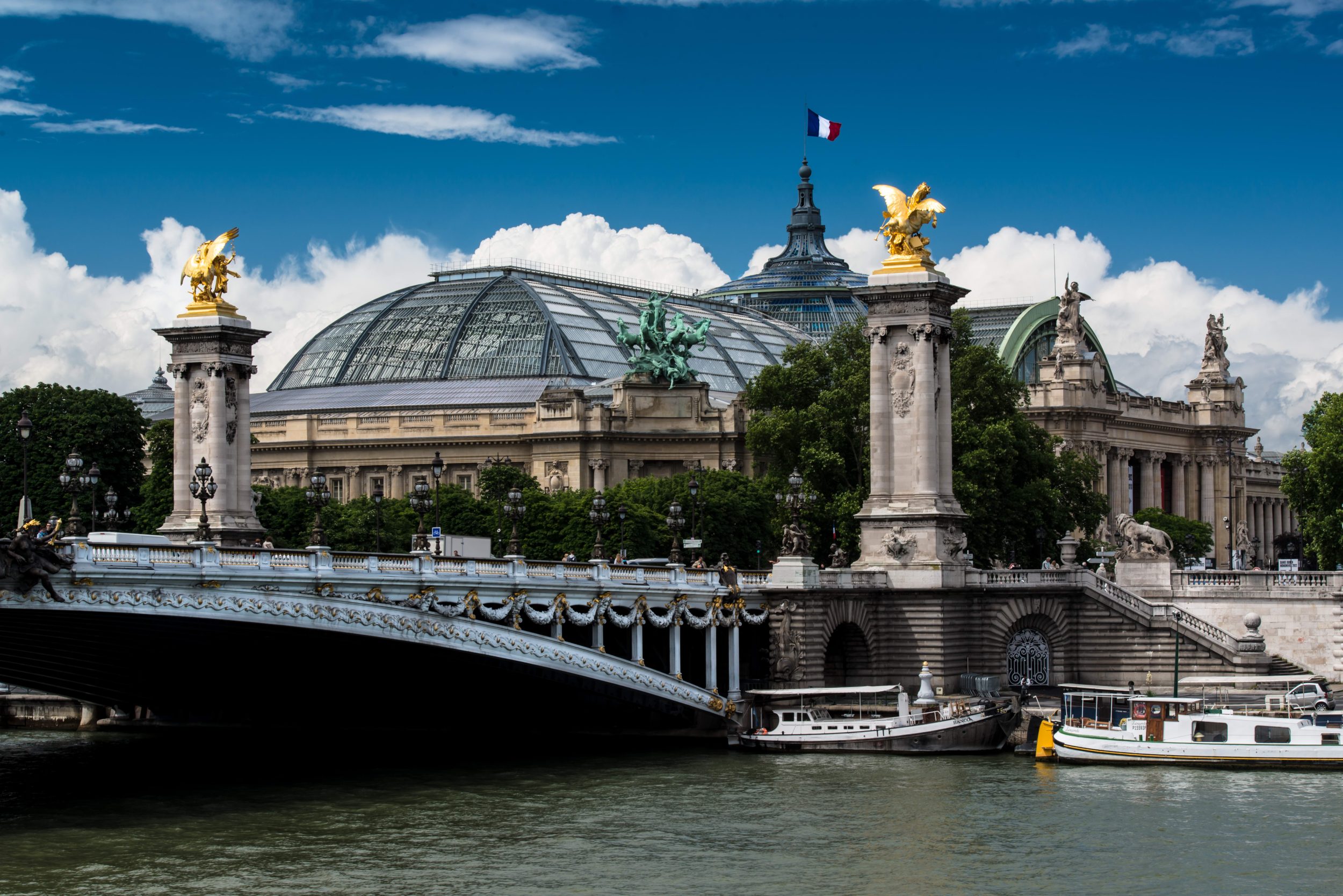
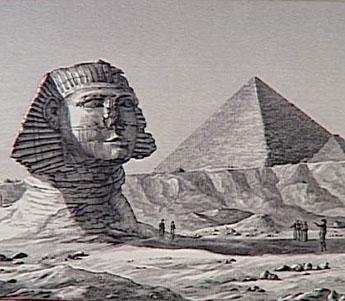
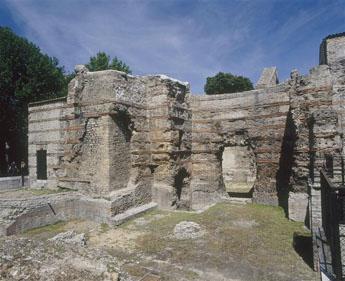
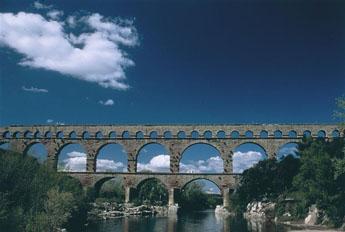
Ancient architecture was monumental. The principal buildings were erected to honour the gods, accommodate sovereigns when they were alive and glorify and entomb them after their death. In the 1st millennium BC, venues were also built to stage events and games. The first enormous hydraulic structures were created to channel water to cities and supply public baths. Egyptian Pyramids, Mesopotamian Ziggurats, lavish Minoan, Assyrian, Babylonian and Persian palaces, grandiose mausoleums in Chine, Celtic, Etruscan and Japanese tumuli… Greek temples and theatres, aqueducts, triumphal arches, basilicas, Roman baths and amphitheatres are monuments which have survived the centuries and of which we can still admire the remains today.
Votre panier est vide
Besoin d'inspiration ?
Rendez-vous dans le programme en ligne du GrandPalais

SISTERS, Jim Britt, 1976
Girls
Exhibitions Upcoming
Adolescence, Fashion, Rebellion
December 9, 2026 - March 21, 2027

Mika Ninagawa
with EiM
Alive with Shadows
Exhibitions Upcoming
December 16, 2026 - March 21, 2027

Paul Cezanne, La Montagne Sainte-Victoire au grand pin, vers 1887, huile sur toile, 66.8 x 92.3 cm
Exhibitions
September 23, 2026 - January 17, 2027

Paris Photo, 2025
Salons & foires Upcoming
November 12 - November 15, 2026

Chroma XXIII (2003-2025) Darmstadt Ferienkurse 2025 Justus Liebig Haus
Rebecca Saunders, Ensemble Intercontemporain
Chroma I–XXIV (2003–26)
Shows & performances Upcoming
Nouvelle version XXIV
November 21, 2026 - Sold out on our website
See content : 5 things to know about Paul Cezanne before visiting the exhibition

Paul Cezanne, Pichet de grès, 1893-1894, Fondation Beyeler, Riehen-Bâle
Article -
Considered one of the pioneers of modern art, Paul Cézanne had a profound impact on art history. Yet his work long baffled his contemporaries. Why did he paint so many apples? Which artists did he inspire? And why does his work resonate so strongly today? Here are five keys to better understanding his influence before visiting the exhibition “Cezanne and Us,” on view at the Grand Palais through January 17, 2027.
Widely regarded as one of the pioneers of modern art, Paul Cezanne left a profound mark on art history. Yet his work long baffled his contemporaries. Why did he paint so many apples? Which artists did he inspire? And why does his work resonate so powerfully today? Here are five key insights to help you understand his influence before exploring "Cezanne and Us", on view at the Grand Palais until January 17, 2027.
See content : Mika Ninagawa with EiM, "Alive with Shadows": Tickets are now on sale!

Article -
Vibrant flowers and saturated colors, plays of light, and immersive sensory installations: from December 16, 2026, to March 21, 2027, Mika Ninagawa takes over the Grand Palais with her collective EiM to present an exhibition designed to be walked through...
See content : "Cezanne and us": 5 resources to guide you

Paul Cezanne, La Montagne Sainte-Victoire au grand pin, vers 1887, huile sur toile, 66.8 x 92.3 cm
Article -
At the Grand Palais, the works of Cezanne and the artists he inspired await you. To make your visit an unforgettable experience, we’ve put together a range of helpful tools to guide you through the exhibition, deepen your understanding, create lasting...