
Votre panier est vide
Besoin d'inspiration ?
Rendez-vous dans le programme en ligne du GrandPalais
Article -
La sculpture en pierre qui a résisté aux aléas du temps est mieux connue que la sculpture en bois, matière périssable, ou en bronze, métal souvent refondu pour d’autres usages.
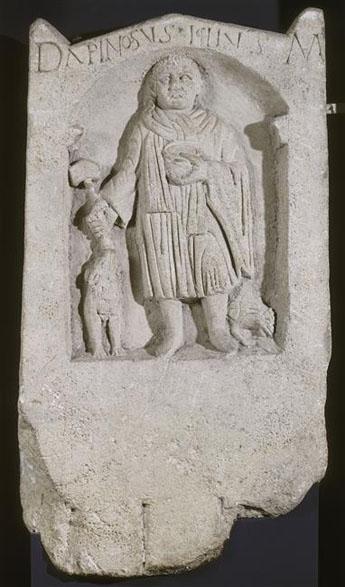
Stone sculpture which has resisted the ravages of time is better known than sculpture in wood, which is perishable, or bronze, which was often melted down for other uses. It decorates the exterior and interior of buildings (temples, palaces, villas, tombs), presented as a frieze, relief, haut-relief or in-the-round. Sculpture comes in various sizes : it may be monumental, life size or reduced to small models of a few centimetres. Ancient sculptors favoured local materials: granite or greywacke in Egypt, marble in Greece, jade in China… Over the centuries, they developed astonishing talent. Mastering techniques, they defied the material and gave it increasingly realistic forms (resembling reality).
Votre panier est vide
Besoin d'inspiration ?
Rendez-vous dans le programme en ligne du GrandPalais

SISTERS, Jim Britt, 1976
Girls
Exhibitions Upcoming
Adolescence, Fashion, Rebellion
December 9, 2026 - March 21, 2027

Mika Ninagawa
with EiM
Alive with Shadows
Exhibitions Upcoming
December 16, 2026 - March 21, 2027

Paul Cezanne, La Montagne Sainte-Victoire au grand pin, vers 1887, huile sur toile, 66.8 x 92.3 cm
Exhibitions
September 23, 2026 - January 17, 2027

Fairs & Shows Upcoming
October 23 - October 25, 2026

Chroma XXIII (2003-2025) Darmstadt Ferienkurse 2025 Justus Liebig Haus
Rebecca Saunders, Ensemble Intercontemporain
Chroma I–XXIV (2003–26)
Shows & performances Upcoming
Nouvelle version XXIV
November 21, 2026 - Sold out on our website
See content : The 3 exhibitions that will highlight the end of your year at the Grand Palais

Article -
Mark your calendars! In December, the Grand Palais will host three new exhibitions: a colorful, sensory experience in the world of Japanese artist Mika Ninagawa; an exhibition dedicated to representations of girlhood titled Girls; and an immersion into the creative and personal journey of rapper Oli.
See content : Mika Ninagawa with EiM, "Alive with Shadows": Tickets are now on sale!

Article -
Vibrant flowers and saturated colors, plays of light, and immersive sensory installations: from December 16, 2026, to March 21, 2027, Mika Ninagawa takes over the Grand Palais with her collective EiM to present an exhibition designed to be walked through...
See content : "Cezanne and us": 5 resources to guide you

Paul Cezanne, La Montagne Sainte-Victoire au grand pin, vers 1887, huile sur toile, 66.8 x 92.3 cm
Article -
At the Grand Palais, the works of Cezanne and the artists he inspired await you. To make your visit an unforgettable experience, we’ve put together a range of helpful tools to guide you through the exhibition, deepen your understanding, create lasting...