
Votre panier est vide
Besoin d'inspiration ?
Rendez-vous dans le programme en ligne du GrandPalais
Article -
I comme illusionnisme, impressionniste et imprimerie
L'illusionnisme est un art qui crée des illusions grâce à des techniques particulières, comme le trompe-l'œil (représentation en perspective qui donne l'impression d'être réelle).
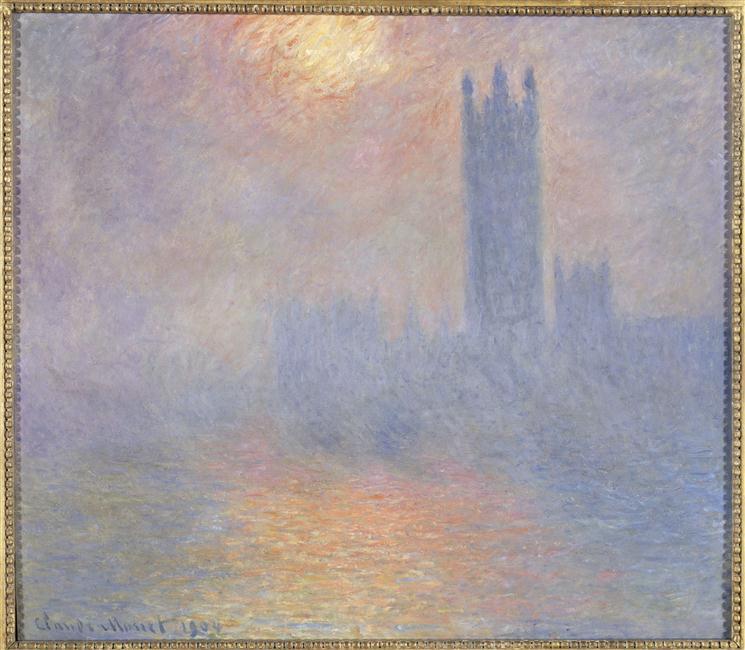
Le terme « impressionniste » désigne un groupe de peintres. En 1874, Monet et ses amis exposent leurs toiles dans l’atelier de leur ami, le photographe Nadar, à Paris. Refusés au Salon, ils créent leur propre exposition. Louis Leroy, critique d’art visite l’exposition et pour la moquer, il intitule son article L’exposition des Impressionnistes. Il emprunte cette expression au titre du tableau de Monet qui y est exposé : Impression soleil levant. Il reproche au tableau de n’être qu’une « impression », une ébauche, un tableau non fini. Il donne ainsi sans le vouloir son nom à ce nouveau mouvement artistique, l’impressionnisme. Les artistes impressionnistes fondateurs du mouvement sont Claude Monet, Auguste Renoir, Camille Pissarro, Alfred Sisley, Edgar Degas, Paul Cézanne, Berthe Morisot.
L’imprimerie est la technique qui permet de reproduire un texte. Avant sa création, les moines recopiaient à la main toutes les pages du livre. Gutenberg (vers 1394/1400-1468) inventa la première presse, en Allemagne, à Mayence au 15e siècle. Les premières machines arrivent en France à la fin du siècle. Le livre va pouvoir se répandre même s’il reste encore cher. Les exemplaires imprimés les plus luxueux reçoivent un décor enluminé.
Votre panier est vide
Besoin d'inspiration ?
Rendez-vous dans le programme en ligne du GrandPalais

SISTERS, Jim Britt, 1976
Girls
Adolescence, fashion, rebellion
Exhibitions Upcoming
December 9, 2026 - March 21, 2027

Mika Ninagawa
with EiM
Alive with Shadows
Exhibitions Upcoming
December 16, 2026 - March 21, 2027

Paul Cezanne, La Montagne Sainte-Victoire au grand pin, vers 1887, huile sur toile, 66.8 x 92.3 cm
Exhibitions
September 23, 2026 - January 17, 2027

Paris Photo, 2025
Fairs & Shows
November 12 - November 15, 2026

Chroma XXIII (2003-2025) Darmstadt Ferienkurse 2025 Justus Liebig Haus
Rebecca Saunders, Ensemble Intercontemporain
Chroma I–XXIV (2003–26)
Shows & performances Upcoming
Nouvelle version XXIV
November 21, 2026 - Sold out on our website
See content : 5 things to know about Paul Cezanne before visiting the exhibition

Paul Cezanne, Pichet de grès, 1893-1894, Fondation Beyeler, Riehen-Bâle
Article -
Considered one of the pioneers of modern art, Paul Cézanne had a profound impact on art history. Yet his work long baffled his contemporaries. Why did he paint so many apples? Which artists did he inspire? And why does his work resonate so strongly today? Here are five keys to better understanding his influence before visiting the exhibition “Cezanne and Us,” on view at the Grand Palais through January 17, 2027.
Widely regarded as one of the pioneers of modern art, Paul Cezanne left a profound mark on art history. Yet his work long baffled his contemporaries. Why did he paint so many apples? Which artists did he inspire? And why does his work resonate so powerfully today? Here are five key insights to help you understand his influence before exploring "Cezanne and Us", on view at the Grand Palais until January 17, 2027.
See content : How Cezanne Inspired Picasso, Matisse, and modern artists

Henri Matisse, Nature morte au lierre, 1916
Article -
From Matisse to Picasso, from Marsden Hartley to contemporary artists, Cezanne’s work has continued to inspire new interpretations. Through sometimes unexpected connections, the exhibition “Cézanne and Us” explores more than a century of artistic...
See content : Paris Photo 2026: A closer look at 3 highlights!

Paris Photo, 2025
Article -
From November 12 to 15, the Grand Palais hosts Paris Photo, the leading international fair dedicated to photography and the visual arts. Highlights of this year’s edition include an exclusive meeting with artist Mika Ninagawa, a preview of the catalogue...